Brazilian Wax Aftercare: How to Prevent Ingrown Hairs
How to Get Rid of Ingrown Hairs After Shaving or Waxing – Advice From a Licensed Esthetician
If you're tired of dealing with itchy, annoying bumps every time you shave or wax, you're not alone. Ingrown hairs are one of the most common concerns I see with my clients.
Hi, my name is Raven. I'm a licensed esthetician, and I’ve specialized in waxing for over two years. Because of that, I’ve helped a lot of clients manage and prevent ingrown hairs.
Before we talk about the products that can help, it's important to understand what ingrown hairs actually are and why they happen.
What Causes Ingrown Hairs?
Ingrown hairs happen when the hair cannot properly grow through the skin. Instead of growing outward, the hair curls back into the skin and becomes trapped underneath the surface.
This can happen after shaving, waxing, or any type of hair removal.
There are two main types of ingrown hairs that I commonly see with hair removal.
1. Surface Ingrown Hairs
Surface ingrowns sit right at the top layer of the skin.
They usually look like a small bump with the hair visible just under the surface. These are the easiest type of ingrown hair to treat.
Most of the time, surface ingrowns happen because dead skin cells are blocking the hair from growing through the skin.
Dead skin does not mean you're dirty or not cleansing properly. It simply means that the skin in that area needs more exfoliation to remove buildup.
How to Treat Surface Ingrown Hairs
For surface-level ingrowns, I usually recommend physical exfoliation.
Physical exfoliants work by gently scrubbing away the layer of dead skin that is trapping the hair underneath.
Once that dead skin is removed, the hair can properly poke through the surface of the skin.
When the ingrown hair is sitting very close to the surface, it may only be one or two layers of skin away from coming out naturally.
Some people try to remove these with tweezers. While that can sometimes work, I don’t typically recommend it because picking at the skin can increase the risk of hyperpigmentation or scarring.
Instead, consistent exfoliation is the safest way to help the hair grow out naturally.
Why Hydration Helps Prevent Ingrown Hairs
Moisturizing is another step that people often overlook when trying to prevent ingrown hairs.
Think about the hair on your head. When hair is dry and brittle, it is more likely to break or split.
The same concept applies to body hair.
If the skin and hair are properly hydrated, the hair is more likely to come out cleanly during waxing instead of breaking under the skin, which reduces the chances of an ingrown hair forming later.
Hydrated skin also allows the hair to grow through the surface more easily.
When Ingrown Hairs Look Like Acne
The second type of ingrown hair often looks more like acne or a deeper bump under the skin.
These ingrowns usually appear inflamed, red, or swollen.
When an ingrown hair looks like this, I recommend avoiding physical exfoliation for the moment, because scrubbing irritated skin can make the inflammation worse.
Instead, this is when chemical exfoliation is more helpful.
How Chemical Exfoliation Helps Ingrown Hairs
Chemical exfoliants work differently than physical scrubs.
Instead of manually scrubbing away dead skin, ingredients like glycolic acid, lactic acid, and salicylic acid gently dissolve the buildup of dead skin cells that are trapping the hair.
These ingredients penetrate deeper into the skin and help clear the follicle so the hair can grow outward again.
When dealing with inflamed ingrown hairs, I also recommend using soothing ingredients like:
Aloe
CBD
Tea tree
Anti-inflammatory moisturizers
These ingredients help calm redness and irritation while the skin heals.
The Best Routine to Prevent Ingrown Hairs
If you are someone who frequently gets ingrown hairs, the most important thing you can do is create a consistent routine.
A good routine includes:
• Exfoliating every other day or about three times per week
• Keeping the skin hydrated
• Using chemical exfoliants when needed
• Avoiding excessive friction in the area
When you stay consistent, ingrown hairs usually don't last as long and become much easier to manage.
My Favorite Products for Ingrown Hairs
I rotate between a few different products depending on the season.
Since I live in the desert where temperatures can reach 120 degrees during the summer, sweating plays a big role in skin irritation and ingrown hairs.
Because of that, I tend to use stronger exfoliating products during the summer months.
One product I personally love is the Treat Polish from European Wax Center.
This product contains a combination of glycolic acid, lactic acid, and salicylic acid, which helps chemically exfoliate the skin.
It also contains pumice, which provides gentle physical exfoliation at the same time.
I like to describe pumice as a softer alternative to a sugar scrub, which makes it effective but less harsh on the skin.
For people with more sensitive skin, a gentler option is the Slow Polish, which does not contain chemical exfoliants and has a softer exfoliating texture.
Ingrown Hair Wipes for Sweat and Breakouts
Another product I like using, especially in the summer, is ingrown hair wipes.
These wipes contain chemical exfoliating ingredients similar to the polish, along with soothing ingredients like:
• Aloe
• Tea tree
• Anti-inflammatory agents
I use these throughout the day, especially after workouts, because they help remove sweat and bacteria that can lead to breakouts or irritation in areas like the inner thighs.
Treating Hyperpigmentation From Ingrown Hairs
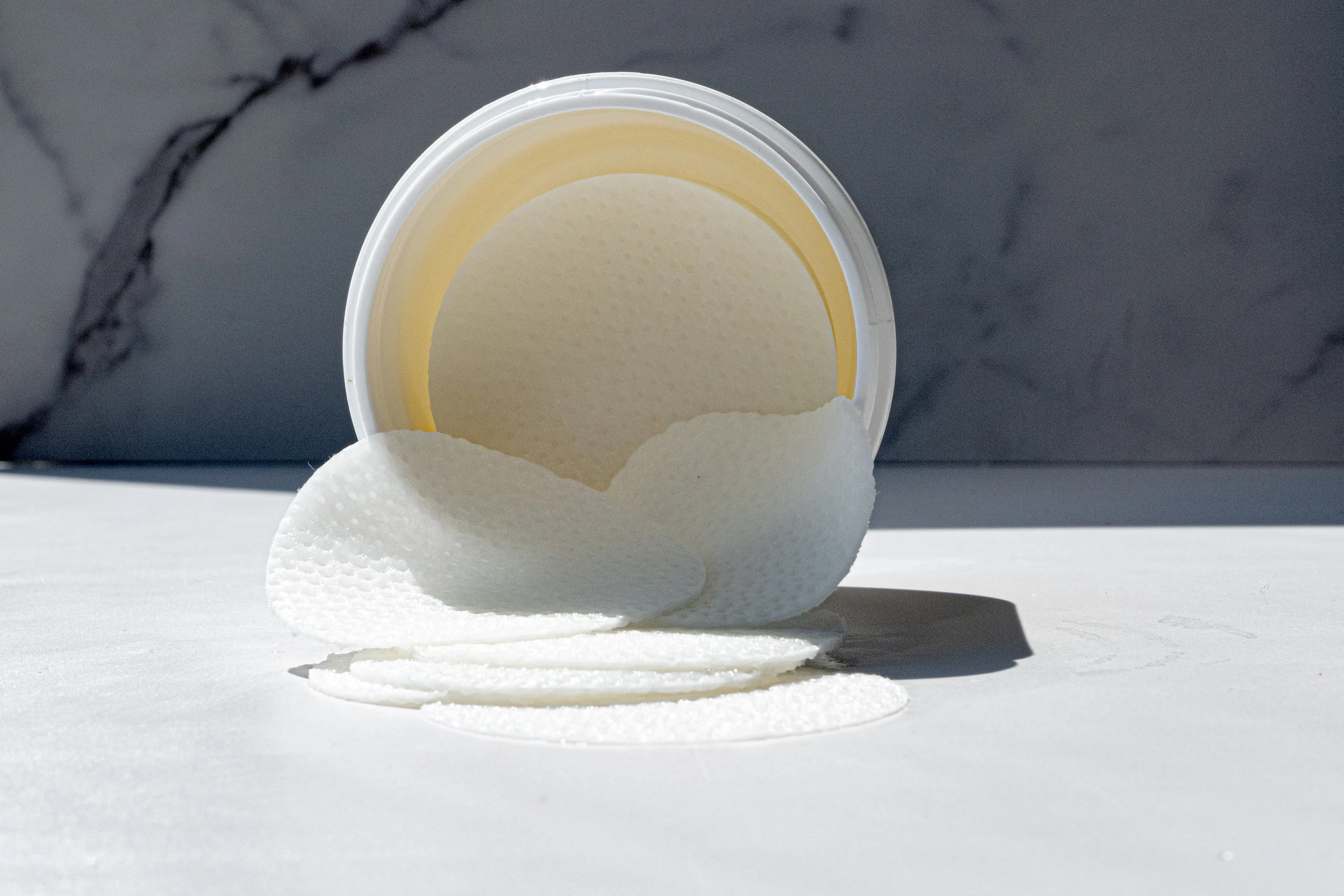
Exfoliating Pads to gently renew the skin and provide brightening, clearing and restoring benefits to the skin. Perfect for chemical peel prep or aftercare and to reduce the appearance of acne scars and dark spots.
Use these 2-3 days after wax to reduce ingrown hairs and even skin texture! Stop use 1 week before wax to prevent sensitivity and lifting
TIPS FOR USE:
Use the Glycolic & Retinol Pads 2 – 3 times per week for pore refinement or acneic skin. For best penetration of this product, use with the Glycolic Cleanser and/or Retinol 2% Exfoliating Scrub/Mask.
For hyperpigmentation or melasma, use daily morning and evening to spot treat, applying only to pigmented areas. Reduce frequency after pigmentation has lightened.
Do not rinse; let the product stay on the skin.
If a client is going through a peel series, have them use pads twice per day then use as needed once the desired correction is reached.
Avoid getting into eyes. Flush completely if contact occurs.
Always use sunscreen when using this product.
Please Note:
The Glycolic and Retinol Pads contain glycolic acid and retinol which give the formula its yellow color visible upon opening.
The Kojic Acid in this product is potent and highly active. While Kojic Acid does not affect the yellow color initially, over time it will darken with changes in light, pH or temperature, causing the actual pads to darken. This is normal and does not reduce the efficacy of the formula.
The seal of the product can also absorb the darkened product. Over time kojic acid will darken causing pads to darken as well. Off-gassing can occur, which can be absorbed by the seal of the jar and may result in darkening or discoloration of the seal. Discoloration of the seal is normal and does not reduce the efficacy of the product.
Key Ingredients:
Arbutin (4%) limits melanin production and reduces visible pigmentation through lightening actions and the inhibition of tyrosinase.
Kojic Acid (3%) inhibits tyrosinase and brightens existing pigmentation naturally. It is comparable to hydroquinone without the negative side effects.
Glycolic Acid (2%) is a deeply penetrating alpha hydroxy acid that reduces wrinkles and promotes resurfacing to refine skin texture. It provides progressive skin clearing and promotes cellular renewal that expedites the healing of breakouts.
Retinol (1%) is a Vitamin A derivative that exfoliates to stimulate collagen production and reduce visible signs of aging.
If you've experienced ingrown hairs before, you might also notice dark spots or hyperpigmentation left behind.
To help with this, I like using products that contain Vitamin C or brightening ingredients.
For example, I sometimes use:
Glycolic acid toner
Brightening or discoloration serums
Vitamin C treatments
These help improve skin tone and fade the dark marks that ingrown hairs can leave behind.
When to See a Dermatologist
If you are staying consistent with exfoliation and skincare but your ingrown hairs are getting worse or becoming cystic, it may be a good idea to consult a dermatologist.
Sometimes deeper infections or chronic follicle inflammation can occur, especially in sensitive areas.
In those cases, a dermatologist can recommend stronger treatments or medications.
Another option to consider is laser hair removal, which reduces hair growth by targeting the hair follicle directly. With less hair growth, the chances of ingrown hairs also decrease.
Final Thoughts
Ingrown hairs are extremely common, especially if you shave or wax regularly. The key to managing them is understanding what type of ingrown hair you’re dealing with and treating it properly.
With the right routine of exfoliation, hydration, and soothing ingredients, most ingrown hairs can be prevented or treated before they become a bigger issue.
