How Acne Forms and How to Get Rid of It - Acne Tips from a Licensed Esthetician in Tempe Specializing in Acne
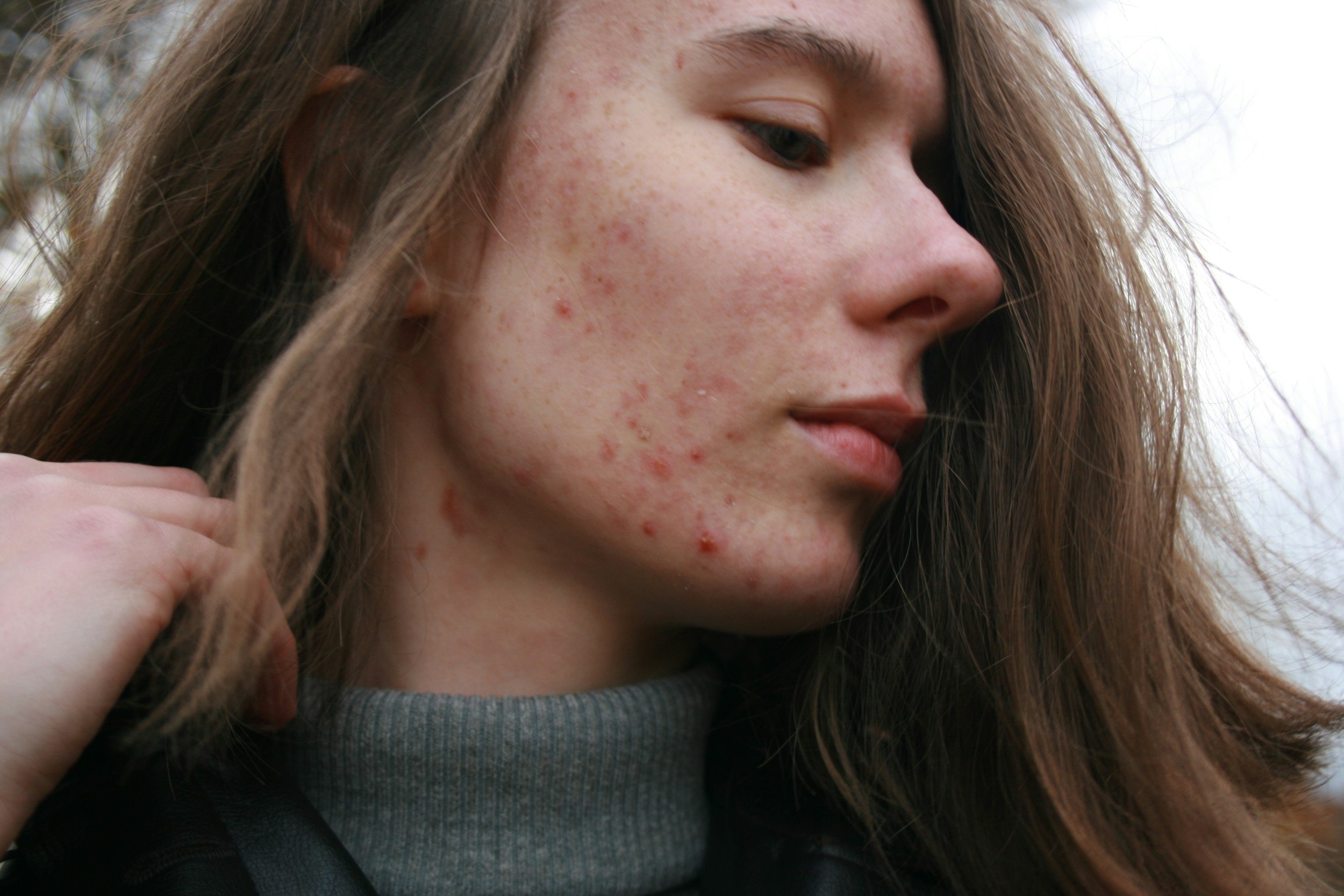
The first way to get rid of acne is to understand how it forms. Acne isn’t just a series of annoying pimples, its a skin condition that happens with your pores get clogged with a combination of sebum (natural oil), dead skin cells and bacteria.
Depending on why you have acne it can be cured. When treating acne its important to commit to a consistent home and treatment plan to keep the acne at a minimum.
Our skin contains sebaceous glands that are told when to produce sebum (oil) and how much but a hormone called androgens.
Why Acne Happens

Hormonal changes like puberty, menopause, pcos and any pivotal change that happens with our hormones have an effect on our oil production. These changes cause an over production of oil making the build up hard to control
Acne is one of the ways our body tells us that their is an imbalance. When we find what our body is reacting to we are able to prevent acne from continuing to form and increase the rate at which we are able to treat the current acne.
Lifestyle and diet have a high impact on your skin. Stress increases cortisol, genetics makes you more prone to get acne, medications and products can case an imbalance or clogged pores. All of these factors influence what type of acne you have and if you have acne at all
Types of Acne
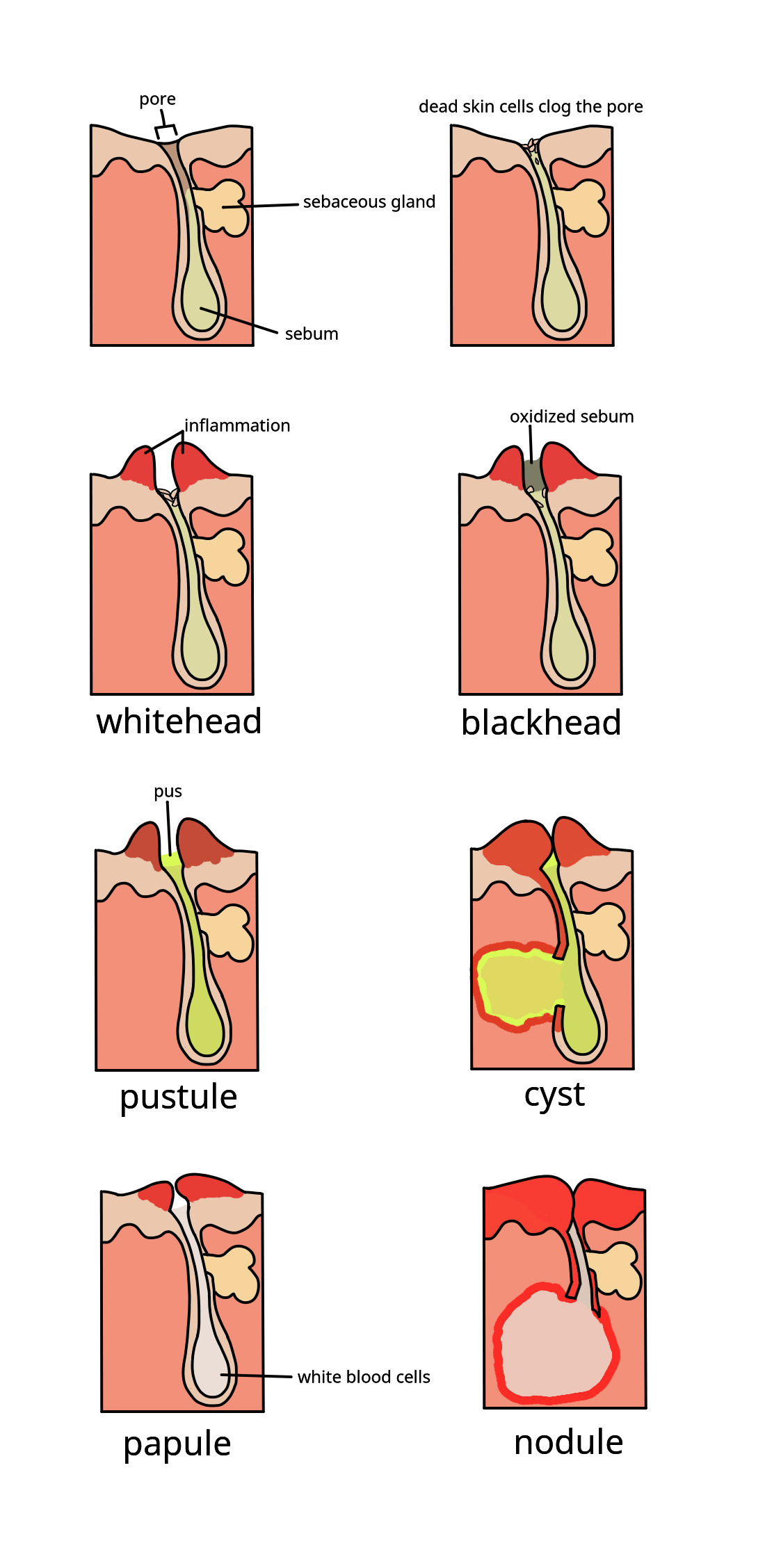
White heads - closed pores with white filament at the top no inflammation can be flesh colored, hard
Blackheads - open plugged pores. The oil turns dark when exposed to the air
Pimples/Pustules/Nodules :
Pimples - papules with pus at the top of it
Pustules - small red tender bumps
Nodules - large solid painful limps under the skin
Cyst - deep painful pus filled lumps below the skin surface
How Acne is Treated
To sum a long and customized process, you treat acne by healing, treating and protecting the skin. It can also be treated with medication that is prescribed by a doctor. Your routine should have an ingredient that effectively exfoliants the skin so that dead skin and oil is constantly being removed but not so much that it damages your skin or too strong which can also leave to damaging the skin.
As your esthetician I cut out the guessing through a in depth consultation and seeing how your skin reacts to my base level treatments in the room. After your first session we customize your skin care routine to include acids like the ones below :
Benzoyl Peroxide - works by killing bacteria that sits on the skin. It also brings oxygen into the skin
Retinal - helps cell turn over rate. Make skin slug dead skin faster and pushes healthy skin to the top, also reduces oil control
Salicylic Acid - treats blackheads, white heads and oil control
Azelaic Acid - reduces inflammation in the skin (good for hyperpigmentation)
Typically you can see changes in 4 weeks but long term change comes in 4-6 facial or chemical peel treatments. This is because our skin naturally renews every 28 days and environmental factors, healthy history and age have an effect on this that can expand the time to 90-120 days.
Slow and steady wins the race when it comes to acne so both treatments and at home care have time to treat years worth of acne on the skin. Or even years of hyperpigmentation and scars that come from acne.
Spot Treatments I Love for Acne
Mandelic Acid Serum - dissolves the “glue” that holds dead skin cells together. Perfect for hyperpigmentation as well. it has a big molecule size so it will penetrate the skin slower
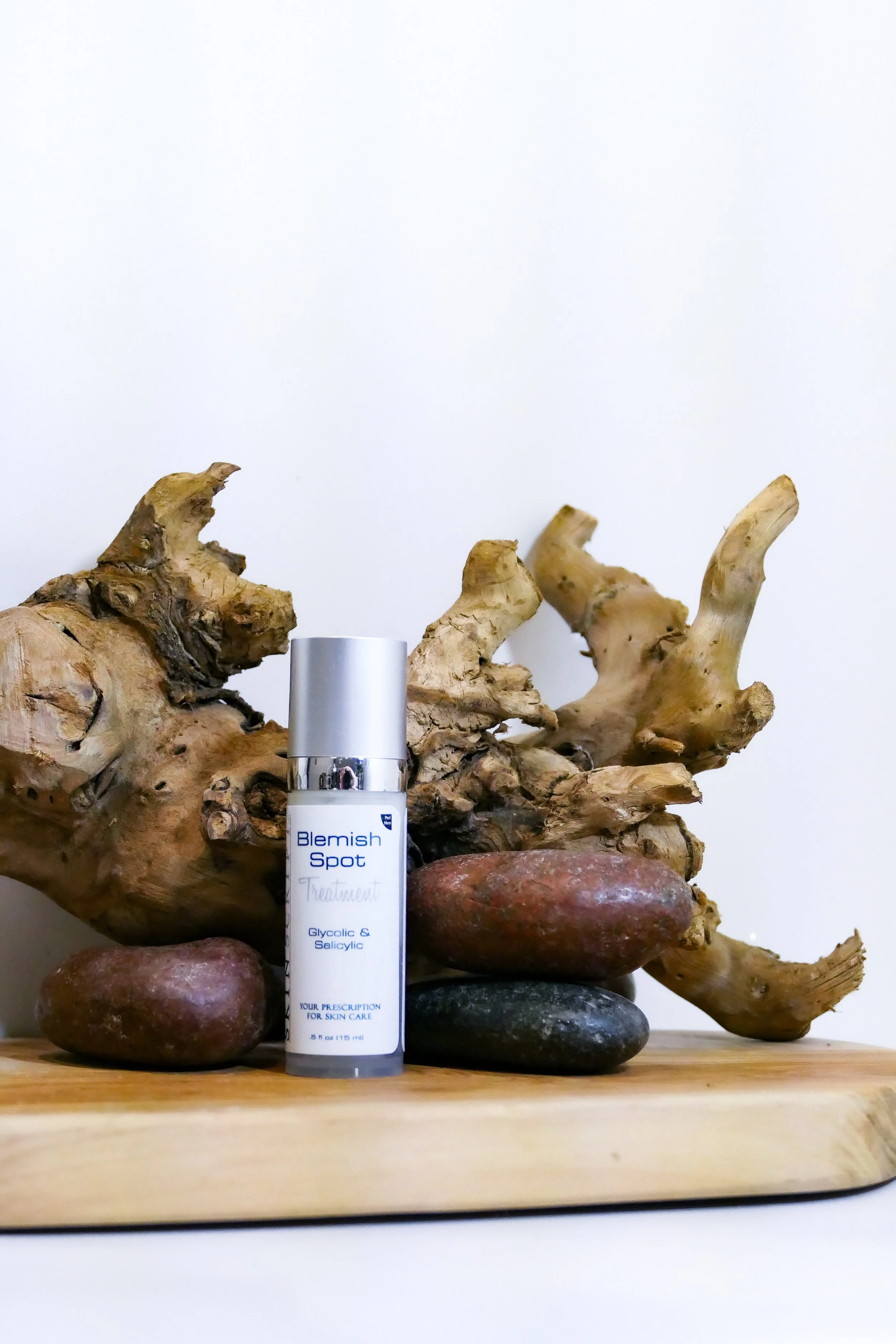
Blemish Spot Treatment - Glycolic Acid will exfoliate the dead skin cells on top of the skin while salicylic acid will dive deep into the poor to dissolve sebum, bacteria and dirt.
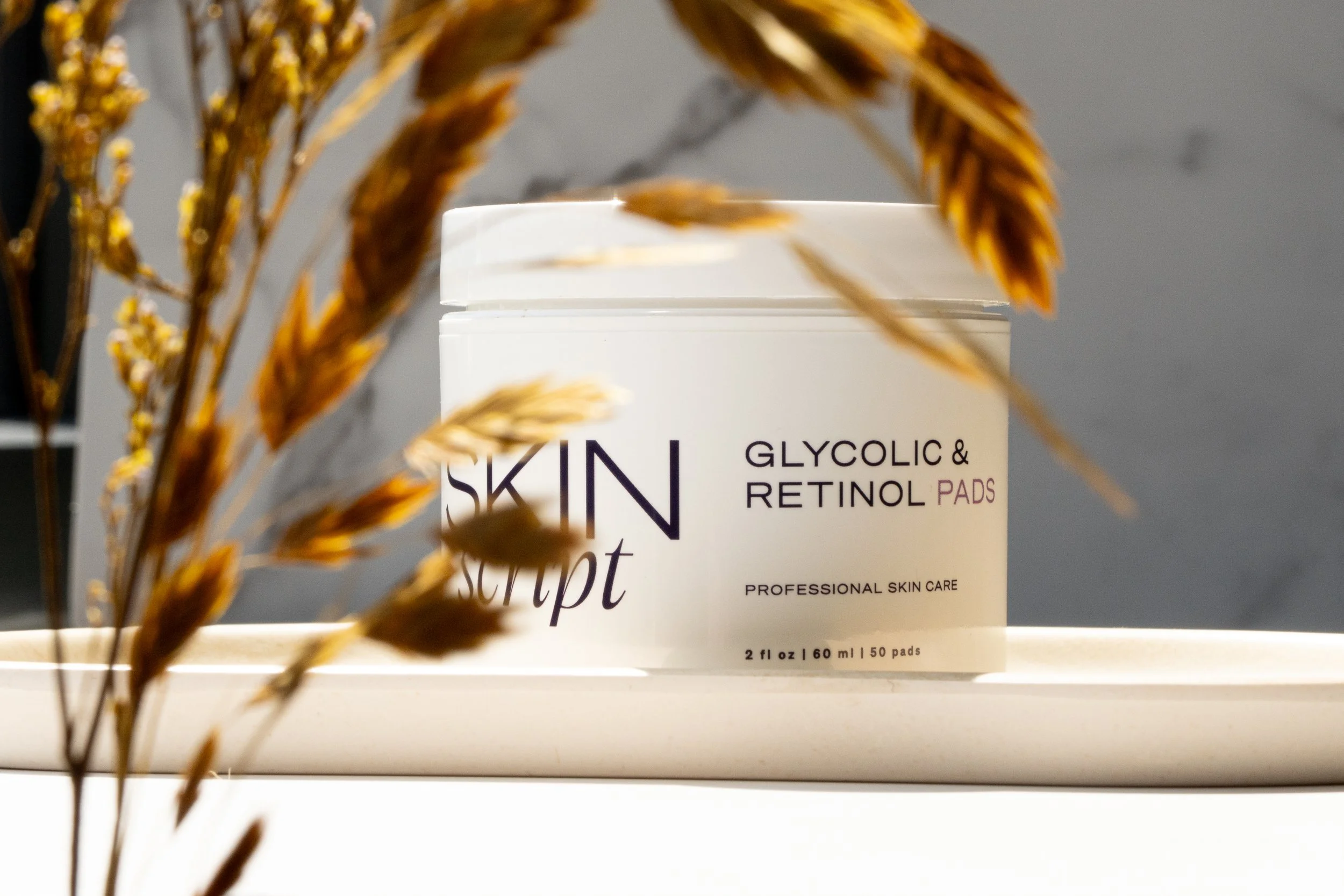
Glycolic and Retinol Wipes - glycolic and retinol work together to hydrate the skin and increase cell turn over rate. This is perfect for those with stubborn acne or also want to work on hyperpigmentation and aging. All around exceptional yet really strong ingredients.
Ready to cut out the guessing games and treat your acne?
Resources -
https://www.mayoclinic.org/diseases-conditions/acne/symptoms-causes/syc-20368047
https://www.yalemedicine.org/conditions/acne
