How I Use Microdermabrasion to Improve Your Skin Texture
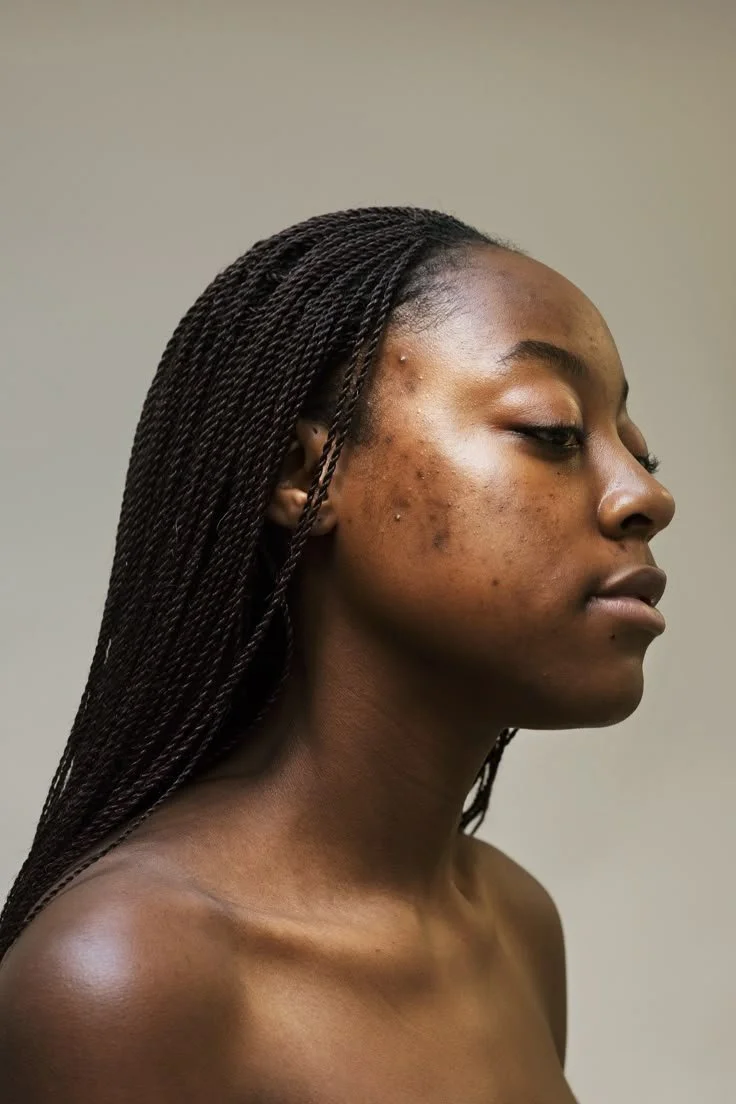
At VeleaRae Studio in Tempe, Arizona, I use microdermabrasion as part of customized facial treatments to help improve skin texture and overall skin health.
Microdermabrasion was one of the first treatments I fell in love with while I was in esthetician school. I loved that it provided both instant results and long-term benefits for the skin.
The treatment uses a diamond tip vacuum tool that physically exfoliates the surface of the skin. As the device gently glides across the skin, it removes the buildup of dead skin cells while the vacuum collects that debris inside the tubing.
One of my favorite parts about microdermabrasion is being able to show clients the buildup that was removed from their skin after the treatment. It gives them that instant gratification most people love during a facial while also helping them understand how much buildup can sit on the surface of the skin.
What Layer of Skin Does Microdermabrasion Treat?
Microdermabrasion treats the stratum corneum, which is the outermost layer of the epidermis.
The stratum corneum is made up of dead skin cells that naturally shed over time, but sometimes those cells build up faster than they exfoliate on their own.
When dead skin accumulates in this layer it can cause:
• rough skin texture
• clogged pores
• closed comedones
• dull looking skin
• buildup around hair follicles
By removing that buildup, microdermabrasion helps reveal the smoother and brighter skin underneath.
How Microdermabrasion Helps Improve Skin Texture
One of the biggest reasons I include microdermabrasion in my facials is because it helps smooth uneven skin texture.
Texture issues can happen for many reasons including:
dead skin buildup
mild acne scarring
clogged pores
closed comedones
ingrown hairs
When the outer layer of dead skin cells is removed, the skin surface becomes smoother and more even. Over time, regular treatments can help improve the overall appearance of the skin.
Microdermabrasion for Ingrown Hairs
Microdermabrasion can also be helpful for clients who experience ingrown hairs, especially men in the beard area.
When dead skin builds up around a hair follicle, it can trap the hair under the skin and cause the hair to grow sideways instead of outward.
By exfoliating the skin and removing that buildup, microdermabrasion helps keep the follicle opening clear so hairs can grow out properly.
This is why I often recommend it for clients who struggle with ingrown hairs after shaving or waxing.
Microdermabrasion for Closed Comedones and Acne
Another skin concern I commonly treat with microdermabrasion is closed comedones, which are those small bumps that sit underneath the skin.
Closed comedones usually happen when:
oil
dead skin cells
bacteria
get trapped inside the pore.
By exfoliating the surface layer of the skin, microdermabrasion helps prevent that buildup from sitting on the skin and clogging pores.
For clients dealing with acne, this treatment can also help their at-home skincare products work more effectively.
Why Microdermabrasion Helps Skincare Products Work Better
After a microdermabrasion treatment, the skin is able to absorb products more efficiently.
When dead skin buildup is removed, active ingredients can penetrate the skin more easily.
For many of my acne clients, I usually recommend retinol or other corrective ingredients at home, so improving product absorption helps us achieve faster but still safe results.
This combination of professional treatments and consistent home care is what helps create real improvements in the skin.
Microdermabrasion FAQ
What does microdermabrasion do for your skin?
Microdermabrasion gently exfoliates the outer layer of the skin to remove dead skin cells and buildup. This helps improve skin texture, smooth rough areas, and allows skincare products to absorb better.
Can microdermabrasion improve skin texture?
Yes. Microdermabrasion is commonly used to help smooth uneven skin texture caused by buildup of dead skin cells, mild acne scarring, or rough patches.
How many microdermabrasion treatments do you need to see results?
Many clients notice smoother skin after just one treatment. However, a series of treatments spaced about 4 weeks apart can help improve skin texture more significantly over time.
Is microdermabrasion good for acne scars?
Microdermabrasion can help improve the appearance of mild acne scars and uneven texture by exfoliating the top layer of skin. Deeper acne scars may require treatments like chemical peels or microneedling.
Is microdermabrasion painful?
Microdermabrasion is typically not painful. Most people describe the sensation as a light scratching or sandpaper feeling while the device exfoliates the skin.
Who is a good candidate for microdermabrasion?
Microdermabrasion is a great option for people who want to improve skin texture, dull skin, clogged pores, mild acne scars, or closed comedones without downtime.
How long does a microdermabrasion facial take?
A microdermabrasion facial typically takes about 45–60 minutes, depending on the treatment plan and any additional skincare steps included.
Is there downtime after microdermabrasion?
Most clients have little to no downtime. The skin may appear slightly pink immediately after treatment but usually returns to normal within a few hours.
How often should you get microdermabrasion?
Many clients benefit from getting microdermabrasion every 4–6 weeks to maintain smoother skin texture and healthy skin turnover.
Can microdermabrasion help clogged pores?
Yes. By removing the buildup of dead skin cells, microdermabrasion helps keep pores clear and reduces congestion in the skin.
